
The Evolving Role of Wearable Devices in Healthcare
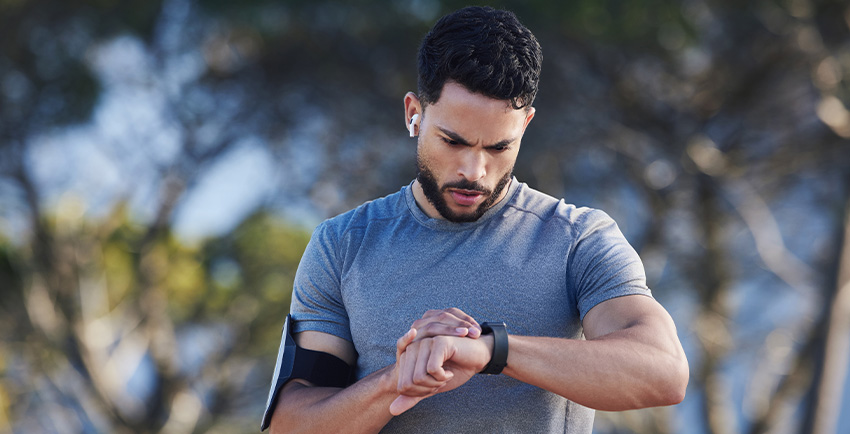
Unlocking Value in Data-Driven Healthcare with Wearables
"Wearable technology is transforming healthcare from a reactive to a proactive system—empowering patients with real-time data and enabling providers to deliver precision medicine at scale."
Dr. Eric Topol, Cardiologist & Digital Health Pioneer
Wearable medical devices have transformed from simple fitness trackers to sophisticated health-monitoring tools, playing a crucial role in modern healthcare. With the increasing prevalence of chronic diseases and a growing emphasis on preventive care, these devices are becoming indispensable for patients and healthcare providers alike. According to Market Research Future, the wearable medical device market is experiencing significant growth, driven by rising chronic disease rates, the need for continuous health monitoring, and advancements in AI and machine learning integration.
The Rising Burden of Chronic Diseases
Sedentary lifestyles and infrequent medical check-ups have led to a surge in diabetes, hypertension, and cardiac disorders, placing immense economic pressure on healthcare systems. Wearable devices offer a proactive solution by enabling:
- Real-time monitoring of vital signs (heart rate, blood glucose, blood pressure).
- Early detection of anomalies, reducing hospital readmissions.
- Personalised health insights, empowering users to manage their conditions effectively.
- Step counting, calorie tracking, and sleep analysis.
- Body mass index (BMI) and activity level assessments.
- Personalised health recommendations based on collected data.
- Earn cashback and premium discounts for hitting step targets
- Get up to 100% of an Apple Watch reimbursed after 24 months of meeting goals
- Access tiered rewards (from gym discounts to travel benefits)
- Participants average 30% more daily steps than non-members
- High-engagement users show 22% lower hospitalisation rates
- The program now covers over 1.5 million active wearable users
- Predictive analytics to foresee potential health risks.
- Automated alerts for abnormal health patterns.
- Remote patient monitoring (RPM), reducing the need for frequent hospital visits.
- Data privacy and security concerns.
- Regulatory hurdles for medical-grade devices.
- User adherence and accuracy limitations.
For example, smartwatches with ECG capabilities can detect irregular heart rhythms, alerting users to potential atrial fibrillation (AFib) before a major cardiac event occurs.
Fitness and Preventive Healthcare
Beyond chronic disease management, wearables are revolutionising fitness and wellness tracking. Devices like Fitbit, Apple Watch, and Garmin provide:
This shift towards data-driven health management encourages users to adopt healthier lifestyles, reducing long-term healthcare costs.
Case Study: Discovery Health's Vitality Programme – Paying Members to Stay Active
South Africa’s Discovery Health has pioneered one of the world’s most successful wearable incentive programs through its Vitality platform. By syncing Apple Watches or Fitbits to their app, members:
Results
This model proves that financial incentives + wearable data = measurable health improvements – a template insurers worldwide are now adopting.
AI and Machine Learning: The Future of Wearables
The integration of Artificial Intelligence (AI) and machine learning (ML) is taking wearables to the next level. These technologies enable:
For instance, AI-powered wearables can analyse heart rate variability (HRV) to predict heart failure risks, allowing early intervention.
Challenges and Future Outlook
Despite their benefits, wearbles face challenges such as:
However, with 5G connectivity, improved sensor technology, and better battery life, the future of wearables in healthcare looks promising.
Conclusion
Wearable medical devices are no longer just fitness gadgets—they are essential tools for chronic disease management, preventive care, and remote patient monitoring. As AI and machine learning continue to enhance their capabilities, we can expect even greater adoption in both consumer and clinical settings. The wearable healthcare revolution is here, and it’s reshaping how we approach wellness and medical care.
All this wearable hype feels overblown. My £300 smartwatch still can’t replace my doctor. When will these devices actually be medically reliable?
Peter Duxberry - March 30, 2025Fair criticism! While wearables aren’t diagnostic tools yet, the NHS now approves some (like the Withings ECG watch) for detecting AFib. Think of them as early-warning systems – they’ve helped 1 in 5 users in our community spot issues early. The tech is evolving fast!
Angela Allen - March 30, 2025I’ve been using my Fitbit with Vitality for 2 years – the cashback got me exercising daily! But I worry about data privacy. How secure is this health data really?
Anon - March 30, 2016