ICD-11: The Future of Global Health Classification
February 11, 2023
How the Latest Disease Coding System is Transforming Healthcare Worldwide
Accurate and standardised disease classification is vital for effective patient care, medical research, and health policy development in today’s fast-paced and ever-evolving medical landscape. Enter ICD-11, the latest version of the International Classification of Diseases, which marks a significant leap forward in how we categorise and understand health conditions worldwide. This blog explores the importance of ICD-11, its standout features, and the potential impact on healthcare systems across the globe.
What is ICD-11?
The International Classification of Diseases, 11th Revision (ICD-11), is the most up-to-date global standard for health data, clinical documentation, and statistical reporting. Developed by the World Health Organisation (WHO), ICD-11 was officially adopted by the World Health Assembly in May 2019 and came into effect on 1 January 2022.
ICD-11 is not just a minor update to ICD-10—it’s a complete transformation of the classification system. Designed to align with today’s digital healthcare environment, it also incorporates the latest advances in medical knowledge.
Key Features of ICD-11
Digital-First Approach
Unlike previous versions, ICD-11 was built specifically for digital health systems. Its foundation is an ontology-based platform, making it fully electronic and allowing smooth integration with modern health information technologies.
Enhanced Scientific Accuracy
ICD-11 integrates the most current medical research, featuring new chapters on sleep-wake disorders, sexual health conditions, and even traditional medicine—reflecting a more holistic approach to health and well-being.
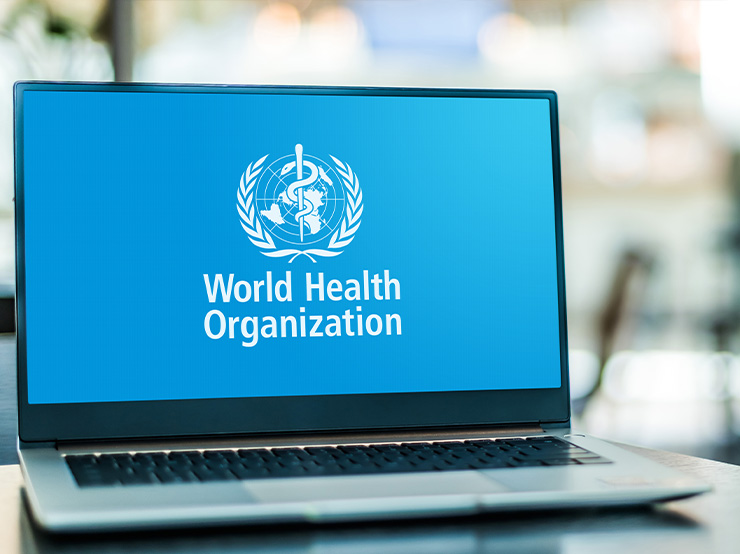
ICD-11 represents a major milestone in the field of health information systems, offering a more advanced and reliable tool for measuring and tracking diseases and health conditions.
World Health Organisation
Improved Usability
The new system boasts a more intuitive coding structure and a user-friendly interface, reducing errors and improving the overall quality of health data.
Multilingual Support
ICD-11 is available in multiple languages, making it more accessible and easier to adopt in non-English speaking countries.
Linkage to Other Classifications
It can be seamlessly connected with other systems, such as SNOMED CT, enhancing interoperability between different health information platforms.
Flexibility and Extensibility
The updated structure allows for regular refinements without disrupting the entire system, ensuring ICD-11 can adapt to future medical advancements.
Impact on Healthcare Systems
The introduction of ICD-11 is set to bring profound changes to healthcare worldwide:
- Better Data Quality: With more precise coding and an improved interface, ICD-11 will lead to more accurate and consistent health data collection, benefiting research, policy-making, and resource allocation.
- Enhanced Patient Safety: More reliable coding means better tracking of patient safety incidents, helping to improve overall care standards.
- Support for Precision Medicine: The detailed classification system aids in personalised treatment plans, aligning with the growing shift towards tailored healthcare.
- Streamlined Public Health Reporting: Faster, more accurate data will improve disease surveillance and outbreak response, crucial for managing global health threats.
- Training & Development: Healthcare professionals at all levels will need comprehensive training to adapt to the new system.
- Strong Governance: Effective oversight and anti-corruption measures will be essential to maintain public trust and ensure proper use of resources
- Technology Integration: Embracing digital health solutions will help overcome infrastructure gaps and improve efficiency.
- Public Awareness: Clear communication and education campaigns will help build understanding and support for the transition.
Challenges and Considerations
While ICD-11 offers many advantages, its successful implementation depends on:
The Future with ICD-11
ICD-11 is a game-changer for global health information systems. Its modern, adaptable framework ensures compatibility with current technology while allowing for future enhancements and integration with other medical classifications.
As healthcare continues to evolve, ICD-11 will play a crucial role in improving diagnosis, treatment, and health data management. Its adoption promises higher-quality, more consistent health information worldwide, ultimately leading to better patient outcomes and more effective public health strategies.
The shift to ICD-11 is not just an upgrade—it’s a transformational step towards a smarter, more connected healthcare future.
I'm impressed with the improvements made in ICD-11, particularly its compatibility with modern IT systems and other coding systems. This will surely enhance data sharing and analysis across healthcare institutions.
Peter Klein - November 10, 2023The user-friendly design of ICD-11 is a much-needed upgrade for healthcare professionals. It will save time and minimize errors, ultimately leading to better patient outcomes.
M Hlengwa - November 10, 2023ICD-11's adaptability for future updates and integration with other health terminologies showcases how it can effectively serve as a tool for evidence-based decision-making in public health. Looking forward to seeing the impact of ICD-11 on global health reporting.
Max Williams - November 30, 2023